Florida Flooding: Complete Hurricane Season Home Protection Guide 2026
- Serclean
As we gear up for hurricane season, Florida flooding remains one of the biggest threats to homes and businesses across the state.
According to the National Oceanic and Atmospheric Administration, the 2025 Atlantic hurricane season produced 13 named storms, including five hurricanes.
Protecting your property starts long before a storm makes landfall. Early hurricane preparation can help reduce property damage, lower repair costs, and give you more peace of mind during the severe weather season.
Serclean’s licensed restoration professionals have helped Florida homeowners recover from hurricanes, flooding, roof leaks, and storm-related water damage for over two decades. Here’s everything you need to know about flooding in Florida, including how to assess your risk, prepare your home, and get emergency assistance.
Understanding Florida's Flooding Risks and Vulnerability Zones
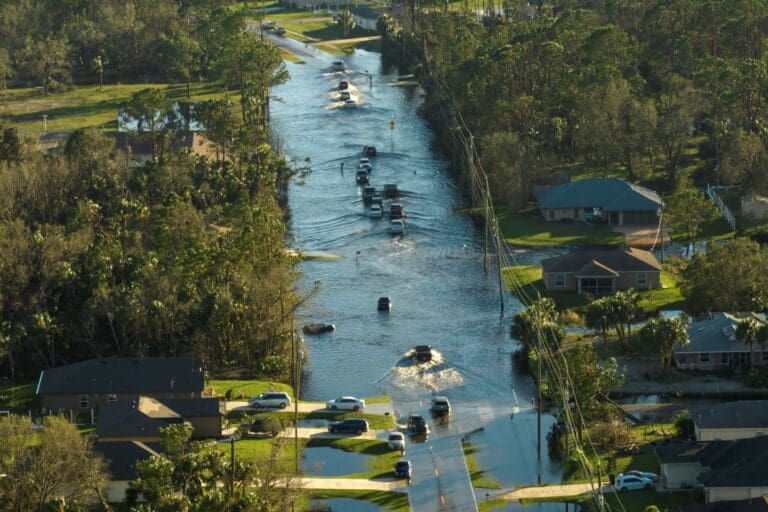
Flooding in Florida can occur during hurricane season from storm surges, heavy rainfall, inland flooding, and saturated ground.
FEMA provides a Florida flooding map that shows flood hazards for specific areas to help homeowners understand local flood risks. The highest risk zones experience an annual flood risk of greater than or equal to 1%, including:
Zone V = high coastal storm surge risk
Zones A and AE = inland flooding risk
Flooding zones in Florida can change over time due to severe hurricanes, heavy rainfall, and updated flood data. Even properties outside high-risk zones may still experience flooding during major storms.
High-Risk Florida Counties and Coastal Zones
Florida counties along the Gulf Coast and South Florida face some of the highest flooding risks during hurricane season. These Florida flooding areas include:
Hillsborough County
Pinellas County
Escambia County
Lee County
Miami-Dade County
Coastal areas are more vulnerable to storm surge, while inland communities often experience flash flooding and drainage overflow after heavy rainfall. Homes near canals, lakes, rivers, and low-elevation areas typically face higher flood risks.
Seasonal Flooding Patterns and Hurricane Timeline
The Florida hurricane season runs from June through November, with peak storm activity between August and October. Flood risks increase when the ground is already saturated from seasonal rain, leaving stormwater with nowhere to drain.
Watch for signs like:
Pooling water near the foundation
Overflowing gutters
Roof leaks
Slow drainage
Local flood warnings
A map of flooding in Florida can change from season to season depending on storm activity and rainfall levels.
Pre-Hurricane Home Preparation to Prevent Water Damage
Roof leaks in Florida are common, but homeowners can prevent many types of hurricane-related water damage with early preparation. Clogged gutters, poor drainage, and unsecured outdoor equipment are some of the most common causes of avoidable storm damage during Florida hurricanes.
Here’s a hurricane preparation timeline:
90 days: Inspect your roof, clean gutters, and seal foundation cracks before heavy storm activity begins.
30 days: Test generators and sump pumps, secure outdoor equipment, and review your emergency supplies.
7 days: Monitor weather alerts, prepare sandbags, charge devices, and move valuables away from flood-prone areas.
Exterior Home Waterproofing and Drainage
Florida storms can quickly overwhelm drainage systems. Preparing your home’s exterior can help reduce water intrusion.
Focus on:
Cleaning gutters and downspouts regularly
Checking for standing water near the foundation
Sealing cracks around doors and windows
Securing pool equipment and outdoor furniture
Trimming trees near your roof
Homes with poor drainage or clogged gutters are more likely to experience roof leaks and foundation water intrusion during hurricanes.
Interior Flood-Proofing Essential Areas
Protecting the inside of your home is just as important as exterior preparation.
Before hurricane season:
Store valuables and documents above ground level
Test sump pumps and backup systems
Learn how to safely shut off electricity if flooding occurs
Inspect attics and ceilings for moisture signs
Seal crawl spaces where applicable
Some Floridians may opt to document valuable items in case of future flood-related insurance claims.
If flooding affects bathrooms or plumbing systems, professional flooded bathroom cleanup will help prevent further water damage and mold growth.
Emergency Supply and Equipment Preparation
Keep emergency flood supplies ready before storms develop.
Recommended supplies include:
Sandbags
Flashlights and batteries
Portable water pumps
Waterproof storage bins
First aid kits
Tarps and plastic sheeting
Always place generators outdoors and away from standing water to reduce the risk of electrical hazards and carbon monoxide exposure.
It’s also smart to keep emergency contact information for restoration professionals available before hurricane season begins. Fast response times can help reduce long-term water damage after a storm.
During Hurricane: Immediate Water Damage Prevention Actions
Once officials issue hurricane warnings, focus on limiting water intrusion and staying safe.
Here’s what to do at each stage:
Hurricane Watch: Move valuables away from low areas, charge devices, and monitor weather alerts.
Hurricane Warning: Secure doors and windows, place sandbags near entry points, and check for roof leaks or standing water.
During the Storm: Watch for ceiling leaks, overflowing gutters, water entering under doors, or electrical issues near wet areas.
Never enter standing water near outlets or damaged wiring, as floodwater can carry electrical currents and create a serious shock or electrocution hazard.
Emergency Water Extraction and Temporary Measures
If safe to do so, remove small amounts of clean water with towels, mops, or portable wet vacs. Avoid handling floodwater contaminated by sewage or storm runoff.
Temporary protection measures may include:
Placing tarps over roof leaks
Using buckets to catch ceiling drips
Moving furniture away from wet areas
Running fans in dry, safe locations
If flooding involves contaminated water, sewage backups, or major structural damage, schedule professional sewage damage cleanup right away.
Keep emergency restoration contact information available before hurricane season begins. Fast response times can help reduce long-term water damage and mold growth after a storm.
Post-Hurricane Water Damage Assessment and Response
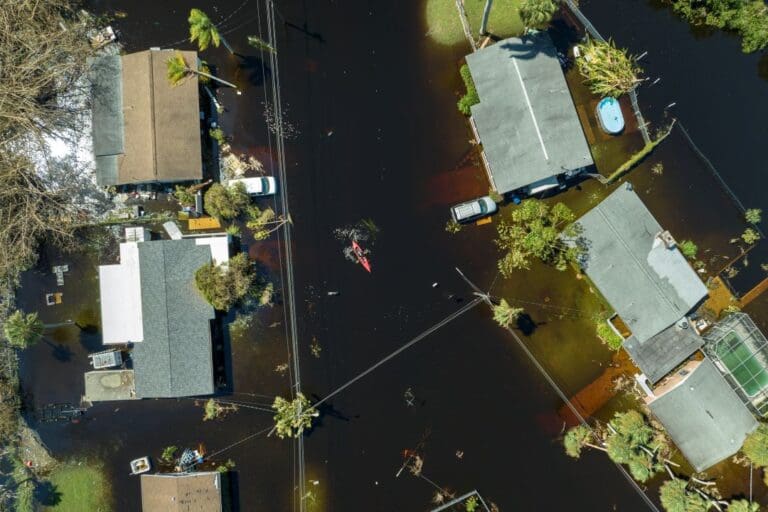
After the storm passes, inspect your property carefully for water damage and safety hazards.
Check for:
Roof leaks or ceiling stains
Standing water inside the home
Damaged drywall or flooring
Electrical issues
Sewage contamination or strong odors
Take photos and videos before cleanup begins to help support insurance claims.
Small clean-water leaks may be manageable on your own, but floodwater contamination, sewage backups, and structural damage should be handled by professionals.
Immediate 24-48 Hour Response Actions
The first 24–48 hours are critical for preventing additional damage and mold growth.
Focus on:
Inspecting electrical and structural damage first
Removing standing water safely
Increasing airflow with fans and ventilation
Drying wet materials quickly
Separating contaminated items from salvageable belongings
If your property experiences major flooding or contamination, schedule professional water damage restoration services to limit long-term damage and cleanup costs.
Insurance Claims and Professional Restoration Coordination
Insurance claims require diligent documentation. Before cleanup starts:
Photograph all visible damage
Save receipts for emergency repairs
Document damaged belongings
Contact your insurance provider quickly
While it may be safe to handle minor, isolated damage on your own, always schedule professional restoration services for:
Sewage contamination
Structural damage
Large-scale flooding
Mold concerns
Electrical hazards
If flooding affects structural areas of the home, you may need disaster reconstruction after water removal and drying are complete.
FAQs
What flood zones in Florida are considered high-risk for hurricanes?
FEMA Zones A, AE, AH, AO, and V face the highest flood risks. Coastal V zones are most vulnerable to storm surge
How far in advance should I prepare for hurricane flooding in Florida?
Start major preparations 90 days before hurricane season, gather supplies 30 days ahead, and complete final prep several days before storms arrive.
Does Florida homeowners' insurance cover flood damage?
No. Standard homeowners’ insurance usually does not cover flood damage. Separate flood insurance is typically required.
What causes most preventable hurricane water damage?
Roof leaks from damaged shingles, flashing, or clogged gutters are one of the most common causes. A fast response from a water damage professional helps reduce long-term damage after severe storms.
Serclean Is Here to Help
Dealing with water damage can feel overwhelming, especially when insurance claims and repairs happen at the same time. The right restoration company can help document the damage and the repairs, making the claim process just that little bit easier.
At Serclean, our team works directly with homeowners and insurance providers to make the restoration process smooth. From documenting damage to completing repairs, we help ensure your home is restored quickly and safely.
If your property has experienced water damage, our specialists are ready to respond. Get in touch with us today to schedule an inspection.